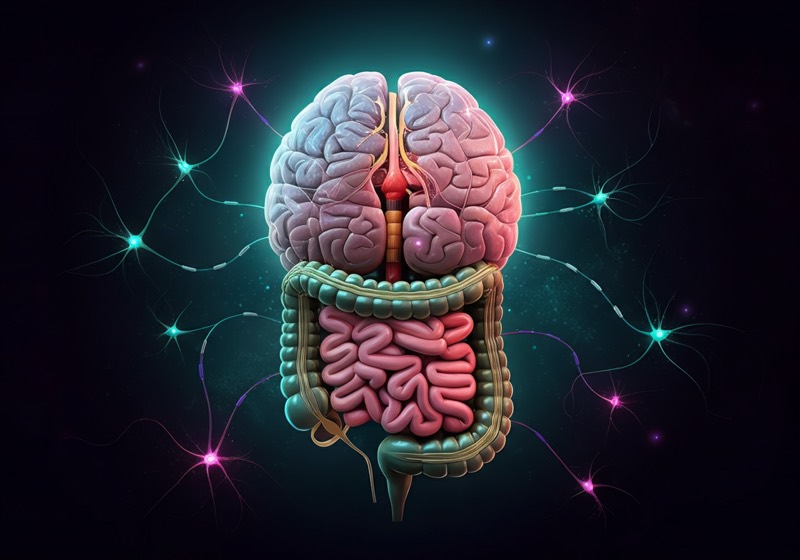
The human gut contains approximately 38 trillion microbial cells — roughly equal to the total number of human cells in the body. This community of bacteria, fungi, archaea, and viruses — the gut microbiome — has evolved alongside us over millions of years and is now understood to be inseparable from healthy immune function.
The Gut-Immune Interface
The gut-associated lymphoid tissue (GALT) — including Peyer's patches, mesenteric lymph nodes, and lamina propria lymphocytes — contains 70–80% of the body's immune cells. The intestinal lining, just one cell thick, is the largest surface area of immune contact with the outside world. The microbiome trains this immune tissue from birth: how to distinguish self from non-self, how to tolerate food antigens, and how to mount appropriate responses to pathogens.
How the Microbiome Regulates Immunity
- Regulatory T cells (Tregs) — beneficial bacteria stimulate the production of Tregs, which suppress excessive inflammatory responses. Low Treg activity is associated with autoimmune conditions.
- Short-chain fatty acids (SCFAs) — butyrate, propionate, and acetate produced by bacterial fermentation of fibre directly regulate immune cell function and maintain the integrity of the gut barrier.
- Competitive exclusion — a diverse microbiome physically prevents pathogenic bacteria from colonising the gut.
- Secretory IgA — the microbiome influences production of this frontline antibody that neutralises pathogens in the intestinal lumen.
Signs of a Compromised Microbiome
Frequent illness, slow recovery from infections, persistent digestive symptoms (bloating, irregular bowels), food intolerances, skin conditions, and chronic low-grade fatigue are all associated with reduced microbiome diversity.
Evidence-Based Ways to Support Your Microbiome
- Eat 30+ different plant species per week — the strongest evidence-based intervention for microbiome diversity
- Include fermented foods — yoghurt, kefir, sauerkraut, kimchi increase bacterial diversity
- Prioritise prebiotic fibre — inulin, FOS, and resistant starch feed beneficial species
- Minimise unnecessary antibiotics and NSAIDs — both significantly disrupt microbial balance
- Manage stress — the gut-brain axis means cortisol directly alters microbial composition