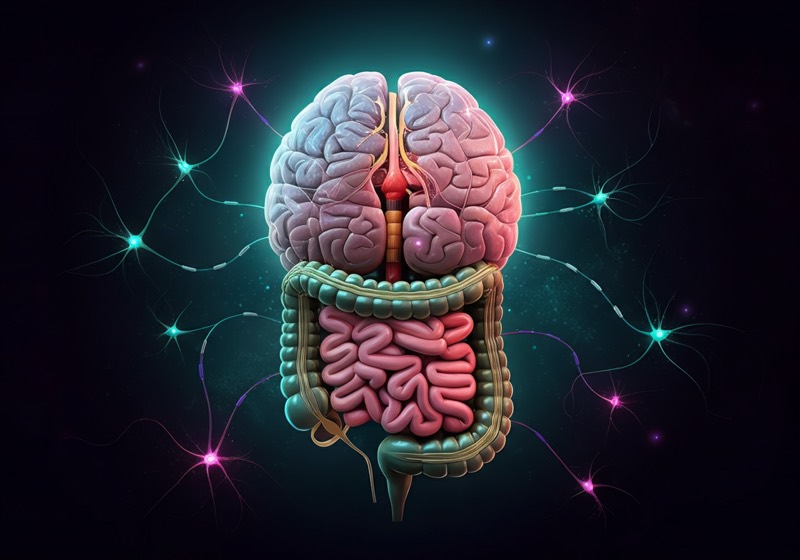
The gut and brain are in constant communication via the gut-brain axis — a bidirectional superhighway of neural, hormonal, and immune signals. This connection is so profound that scientists now refer to the enteric nervous system (the gut's own neural network) as the "second brain."
The Microbiome and Mental Health
Your gut is home to trillions of microorganisms — bacteria, fungi, viruses — collectively called the microbiome. These microbes don't just help digest food; they produce neurotransmitters, regulate inflammation, and directly influence brain function.
Approximately 90–95% of the body's serotonin — the neurotransmitter most associated with mood, happiness, and wellbeing — is produced in the gut, not the brain. The composition of your microbiome directly influences how much serotonin is produced and how well it functions.
Signs of Poor Gut Health Affecting Mood
- Anxiety or depression alongside digestive symptoms
- Brain fog, poor concentration
- Fatigue without clear cause
- Mood fluctuations linked to meals
- Increased stress sensitivity
How to Support the Gut-Brain Axis
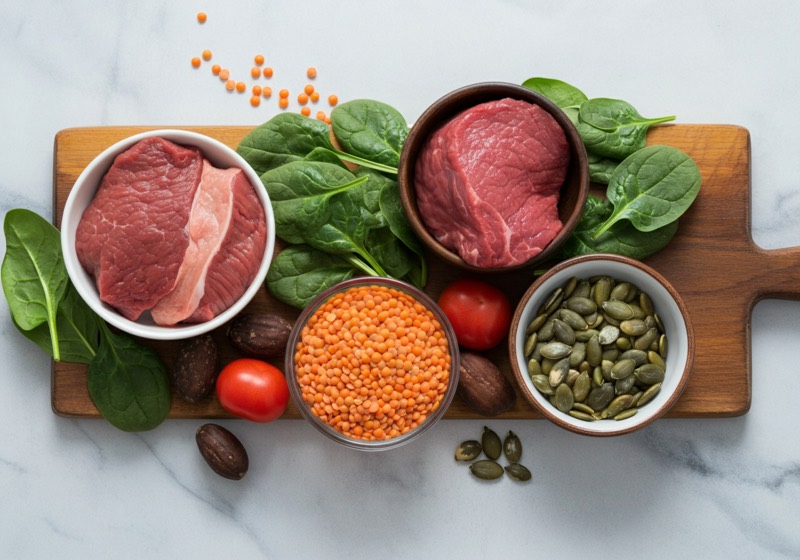
Diet is the most powerful lever. A diverse, fibre-rich diet (vegetables, legumes, wholegrains, fermented foods) feeds beneficial bacteria and promotes microbiome diversity — consistently linked to better mental health outcomes. Minimising ultra-processed foods, reducing alcohol, and managing stress all help too.