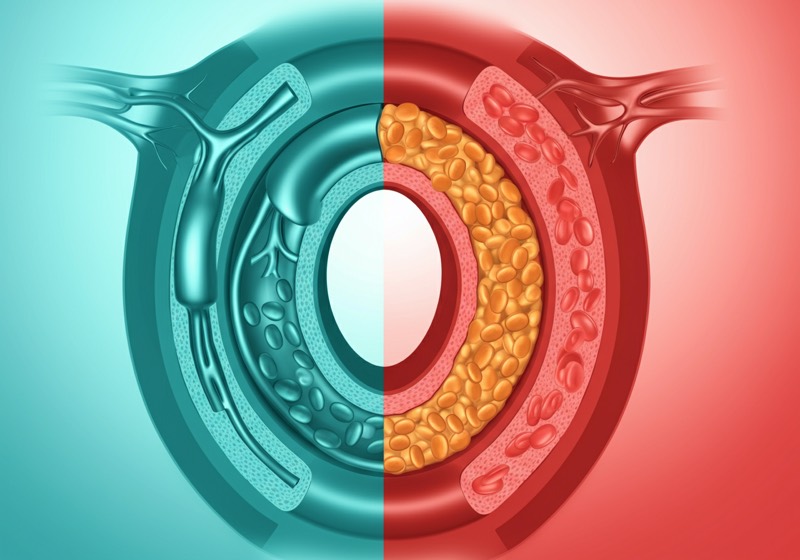
Cholesterol has a reputation problem. The word alone conjures images of clogged arteries — but the reality is far more nuanced. Cholesterol is essential for life. Every cell membrane in your body contains it. The issue isn't cholesterol itself; it's the form it takes and the balance between its different types.
The Main Players
LDL (Low-Density Lipoprotein) — often called "bad" cholesterol. LDL transports cholesterol from the liver to cells throughout the body. When there's too much, it can deposit in artery walls, forming plaques. Elevated LDL is a key risk factor for coronary artery disease.
HDL (High-Density Lipoprotein) — the "good" cholesterol. HDL does the opposite: it scavenges excess cholesterol from the bloodstream and returns it to the liver for disposal. Higher HDL is protective.
Triglycerides — a type of fat in your blood. Elevated triglycerides (usually from a diet high in refined carbs, sugar, and alcohol) increase cardiovascular risk, especially in combination with low HDL.
Understanding Your Lipid Panel
- Total cholesterol: aim below 5.0 mmol/L
- LDL: aim below 3.0 mmol/L (or below 2.0 if high cardiovascular risk)
- HDL: aim above 1.0 mmol/L (men), above 1.3 mmol/L (women)
- Triglycerides: aim below 1.7 mmol/L