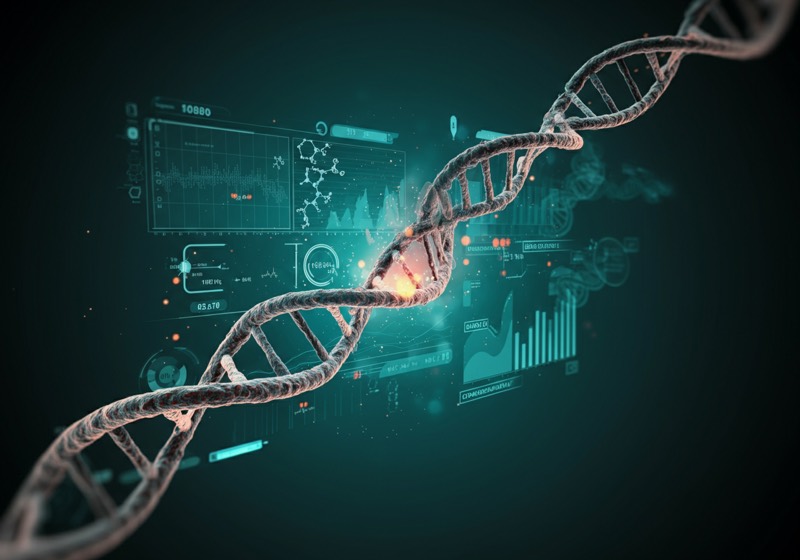
Chronological age — the number on your passport — tells you almost nothing about your actual physiological state. Two 50-year-olds can have the cardiovascular health of a 35-year-old and a 70-year-old respectively. This discrepancy is biological age: the age at which your body's functional state would be considered average. And increasingly, this is measurable through biomarker testing.
What Is Biological Age?
Biological age is an estimate of the body's functional age based on measurable biomarkers — from blood chemistry and inflammatory markers to epigenetic methylation patterns and telomere length. It represents how well your cells, organs, and systems are performing relative to population norms. Unlike chronological age, biological age is modifiable: you can genuinely slow it down, and sometimes reverse it.
Key Biomarkers of Biological Ageing
- CRP and IL-6 — chronic low-grade inflammation ("inflammaging") is the most consistent hallmark of accelerated biological ageing
- HbA1c and fasting insulin — metabolic health is one of the strongest determinants of longevity trajectories
- Testosterone and DHEA-S — both decline with age; maintaining levels within optimal ranges is associated with preserved vitality
- IGF-1 — a proxy for growth hormone activity; declines with age and with poor sleep and nutrition
- Vitamin D — deficiency accelerates multiple ageing pathways
- Lipid panel — specifically ApoB and small dense LDL particles
- Kidney and liver function markers — accumulated metabolic stress shows in organ function over time
Epigenetic Clocks
The most sophisticated biological age measurements use DNA methylation patterns — "epigenetic clocks" like the Horvath clock, PhenoAge, and GrimAge. These analyse how methylation marks on your DNA have changed over time and provide estimates of biological age that are remarkably accurate predictors of disease risk and mortality.
What Accelerates Biological Ageing?
- Chronic psychological stress and elevated cortisol
- Poor sleep quality and duration
- Sedentary behaviour — particularly low cardiorespiratory fitness (VO2 max)
- Ultra-processed food diets and chronic nutrient deficiencies
- Excess alcohol and smoking
- Social isolation — independently associated with accelerated biological ageing
What Slows or Reverses It?
Regular aerobic and resistance exercise consistently reduces biological age markers. Caloric restriction and time-restricted eating show promising results in human trials. Sleep optimisation, stress reduction, and targeted supplementation of deficient nutrients all contribute. The good news: meaningful reductions in biological age markers are achievable within 3–6 months of sustained lifestyle change.